
In Memory of HH The Father Amir Sheikh Hamad bin Khalifa Al Thani
Dr. Mustafa remembers HH The Father Amir Sheikh Hamad bin Khalifa Al Thani: his record in building the modern Qatari state, his rare model of a peaceful transfer of power, their personal meetings, and his support for peace and development in Sudan.
13 July 2026
In the name of God, the Most Gracious, the Most Merciful.
On the morning of Sunday, 12 July 2026, the world was struck by the passing of HH The Father Amir Sheikh Hamad bin Khalifa Al Thani — may God's mercy be upon him — after a life full of giving, leadership, and vision. He departed to his Lord having discharged the trust as a leader, a thinker, a human being, and an exceptional ruler who left his mark on his country, his nation, and the world around him. With his passing, Qatar loses not merely a statesman, but a whole school of wise leadership, far-sighted vision, and fidelity to values — and the conviction that the standing of nations is measured not by their area or population, but by the impact they make, the institutions they build, and the role they take up in the service of their region and the world.
The Father Amir was a leader who joined authenticity to modernity, pride in identity to openness to the age, and the anchoring of national constants to the building of a modern, self-confident state. With a clear strategic vision, he was able to move the State of Qatar into a new stage of political, developmental, and cultural presence, and to make of it an inspiring Arab model in the building of the modern state. When I wrote my English-language book some years ago on strategic leadership in peace, development, and conflict resolution, I chose His Highness among the figures whose experience deserves to be studied — because he offered a singular model in building a homeland, forging an international presence, and managing transformation with calm, confidence, and foresight.
His vision was made manifest in major undertakings that became landmarks in Qatar's modern journey: Al Jazeera, an Arab media project of global reach and ahead of its time; the hosting of the 2022 World Cup, the first in an Arab country, with all the civilizational and cultural meaning it carried; Hamad International Airport, a strategic leap in connecting Qatar to the world; and the Metro project, reflecting advanced urban planning and a will to build the future. Nor did his vision stop at infrastructure: it extended to entrenching the permanent constitution, strengthening education and health, and building a balanced foreign policy founded on mediation, the support of peace, the settlement of disputes, and openness to all without forfeiting principle.
Among the greatest things to be remembered of him, in my estimation, is that rare example he set in the peaceful transfer of power while at the height of his powers and presence. He gave the nation an eloquent lesson: that the strength of a state does not rest on the permanence of individuals but on the solidity of institutions, and that passing responsibility between generations is not weakness but a mark of maturity, confidence, and insight. In our Arab world, that stance was a message of profound meaning — that true leadership is the leadership that secures a country's future, not the leadership that clings to position.
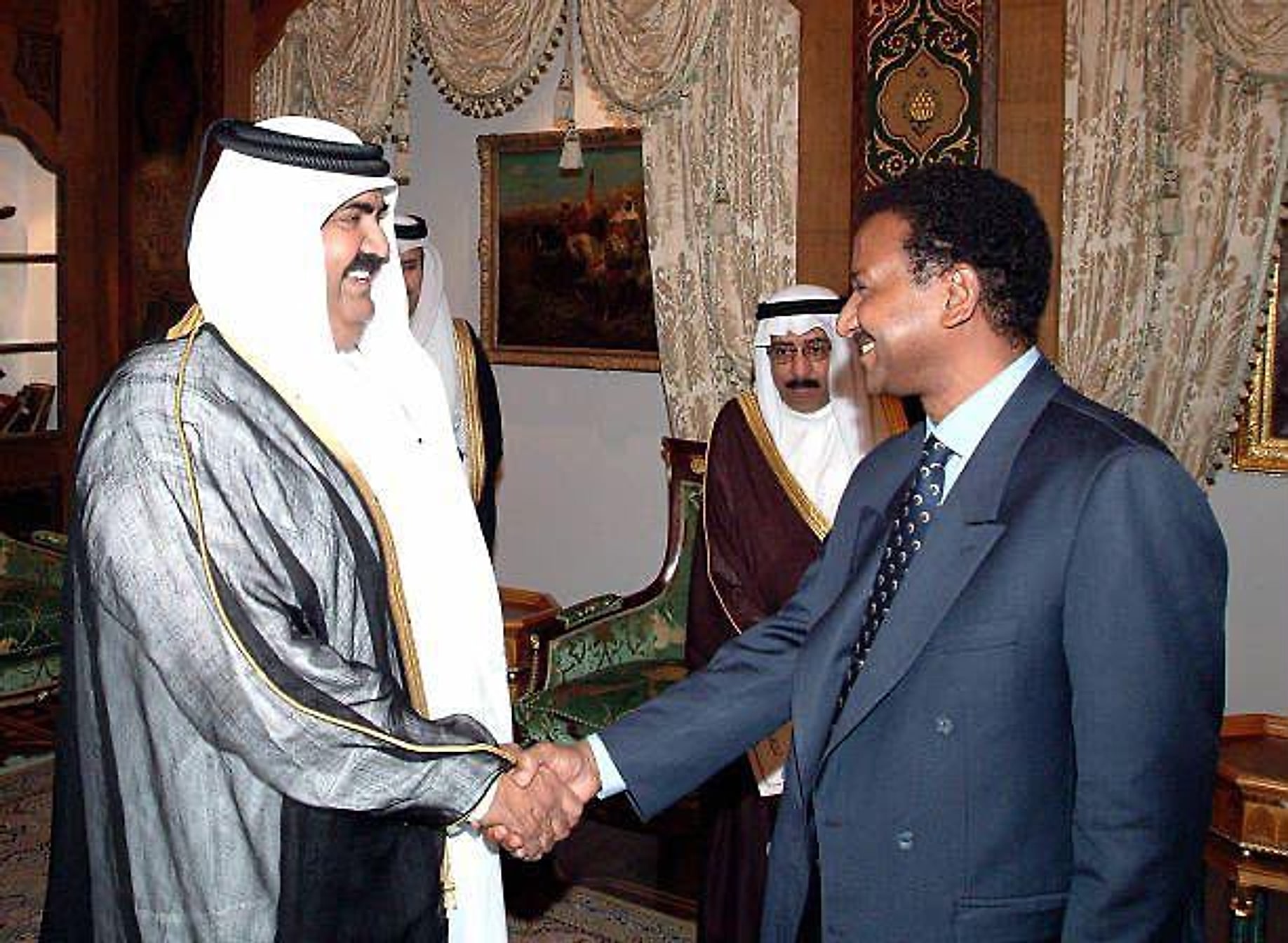
On a personal level, I came to know HH The Father Amir from the time I assumed the office of Minister of State at the Sudanese Ministry of Foreign Affairs in 1996, and then through my later posts: Foreign Minister, adviser to the President of the Republic, Minister of Investment, Ambassador to the United Nations in Geneva, and finally professor at Hamad Bin Khalifa University. Throughout that journey I remained in contact with him, and I found in him a great human being before he was a great leader. He was a model of humility — close to people, gracious in conversation, sharp of mind, overflowing with humanity, and able to make you feel, in his presence, that you were before a statesman who knows the worth of people and listens well to them.
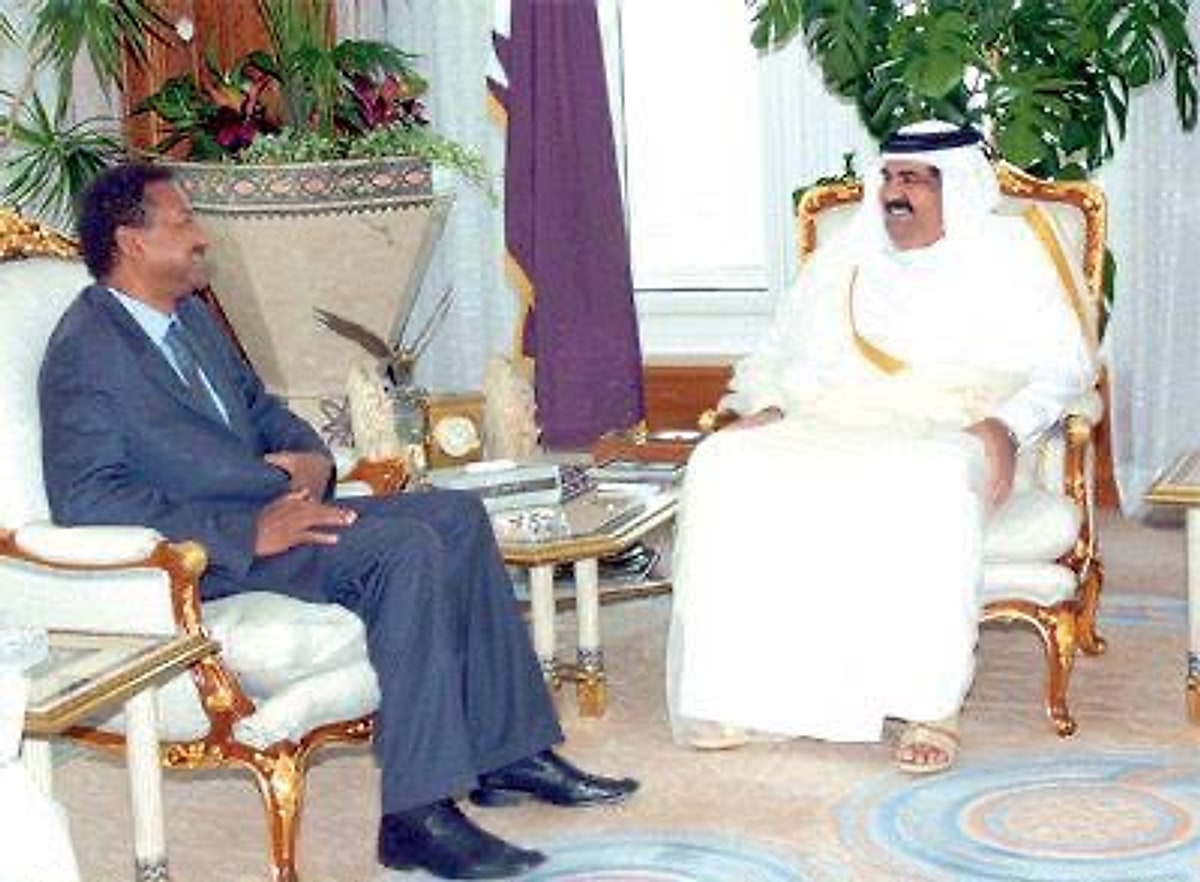
At regional and international conferences he was keen to meet us as foreign ministers far from any formality, exchanging views and listening to differing perspectives with an open mind and a tested wisdom. We saw in him the humility of a leader, the wisdom of an expert, and the humanity of the Amir. When I visited Doha on official missions, he would bring to the meeting a spirit of companionship, humor, and human warmth that lifted you out of protocol into genuine affection. That is a quality possessed only by the truly great, in whom greatness sits so securely that they have no need to display it.
He was, may God have mercy on him, a lover of Sudan and its people — deeply attentive to its condition, forever asking after it, and grieved by the crises and calamities that befell it in recent years. Even in his final days he would send to ask about Sudan and its developments, summoning those he trusted so as to hear from them directly. In that I found a rare loyalty and a sincerity of concern that no courtesy can manufacture. Perhaps what most kindled hope in me was his repeated saying, spoken with confidence and reassurance: that Sudan would return better than it was. In a time of ordeal, those words carried a faith that reached beyond politics into the wider ground of brotherhood and fidelity.
As for his contribution to Sudan, that is a broad chapter difficult to encompass in a few words. He had a recognized role in supporting peace and development — in Darfur through the Doha Agreement and the projects and initiatives that followed it, and in eastern Sudan, where I led the Sudanese government's delegation in the Asmara negotiations of 2006. After the success of those talks, the Father Amir was determined to translate peace into a tangible political and developmental presence: he came to the city of Kassala on a rare historic visit — a scene still vivid in memory — to affirm that peace is not completed by signature alone, but needs care, development, and projects that restore people's confidence in the future. From there Qatari patronage extended to projects in education, health, water, and model villages through Qatar's charitable and development institutions. He also made a valued contribution to supporting antiquities and culture in Sudan, a dimension that reflects his deep understanding of the bond between renaissance and identity, memory, and history.
To write about Sheikh Hamad bin Khalifa is not to write about a political man alone, but about a complete leadership experience that joined courage to vision, fidelity to values to the capacity to deliver, and a broad patriotism to a human dimension. He was among those men whose names come to mind whenever leadership is mentioned; whose names are present whenever chivalry, generosity, and humility are mentioned; and who hold the highest station whenever strategic vision and the building of states are mentioned.
May God have mercy on HH The Father Amir Sheikh Hamad bin Khalifa Al Thani, and reward him on behalf of Qatar, its Arab and Islamic nation, and humanity with the best of rewards. His mark will remain present in the institutions he built, in the approach he established, in the men he inspired, and in the values he embodied in life and in death. We ask God to enfold him in His vast mercy, to bless his descendants, and to grant His Highness Sheikh Tamim bin Hamad Al Thani success in carrying the message and continuing the journey.
Peace be upon you, Abu Al-Mashael. May you be well in life and in death, and may God make your memory a light in hearts, a lesson in the history of leadership, and an example to follow in the service of nations, the making of glory, and the building of the human being.
“Among the believers are men true to what they promised God. Among them is he who has fulfilled his vow [to the death], and among them is he who awaits [his chance]. And they did not alter [the terms of their commitment] by any alteration.”